

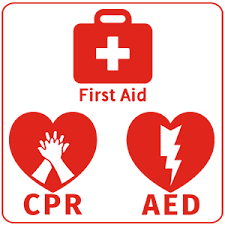
When a person is injured or ill and full medical treatment is not yet available, the immediate and emergency care that you provide is known as first aid. Sometimes, in the case of smaller conditions or more minor issues, first aid care is adequate. However, in more serious situations, first aid should only be continued until advanced care becomes accessible.
Life and death—this is what hangs in the balance when you act appropriately (or not) with first aid.
The first step is letting the injured or ill person know who you are. It is crucial that you do not touch the person until they have granted you permission to help, so your first step must be introducing yourself as a first aid provider. “Implied consent” is when you assume that the person would want your help in the case that they are unable to answer, such as if a person is confused or is critically injured or ill.
- Teacher: O. CAKANA
- Teacher: Blessing Chantelle Kudabvanji
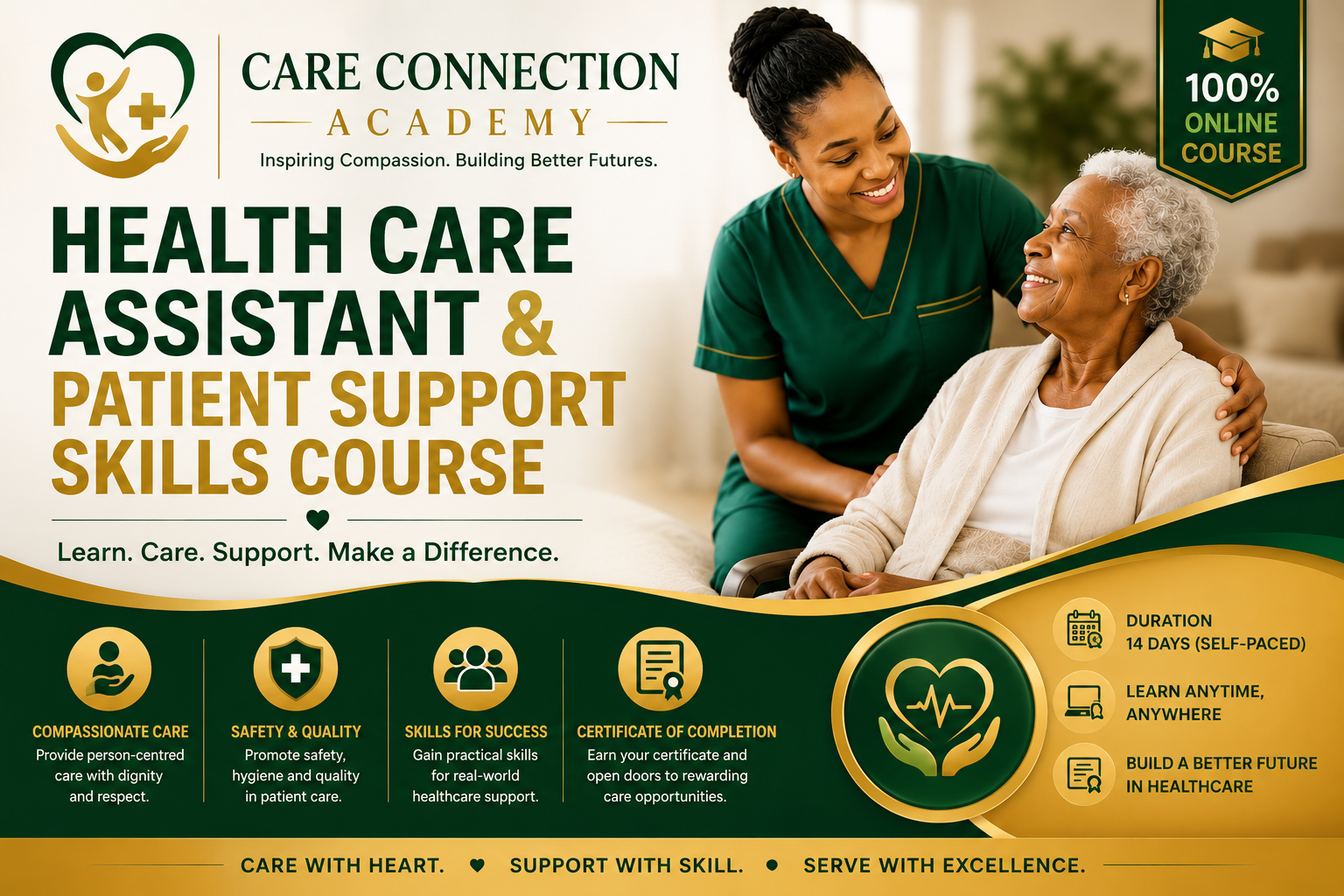
This comprehensive 14-day course equips learners with foundational skills in patient support, home-based care, and professional ethics. It focuses on practical caregiving techniques while emphasizing the importance of patient dignity, safety, and infection prevention in various healthcare settings.
Health Care Assistant & Patient Support Skills Course
Duration: 14 Days (2 Weeks)
Delivery Mode: 100% Online
Assessment: Module Quizzes + Final Course Assessment
Award: Certificate of Completion
Course Summary
| Module | Title | Duration | Assessment |
|---|---|---|---|
| Module 1 | Role of the Health Care Assistant, Professionalism, Ethics & Communication | Days 1–3 | 10 Questions |
| Module 2 | Patient Support, Personal Care, Hygiene & Mobility Assistance | Days 4–7 | 10 Questions |
| Module 3 | Infection Prevention, Health & Safety, Vital Signs Awareness & Emergency Response | Days 8–10 | 10 Questions |
| Module 4 | Elderly Care, Disability Support, Home-Based Care & Professional Practice | Days 11–14 | 10 Questions |
| Final Assessment | Comprehensive Course Assessment | End of Day 14 | 40 Questions |
- Teacher: Blessing Chantelle Kudabvanji


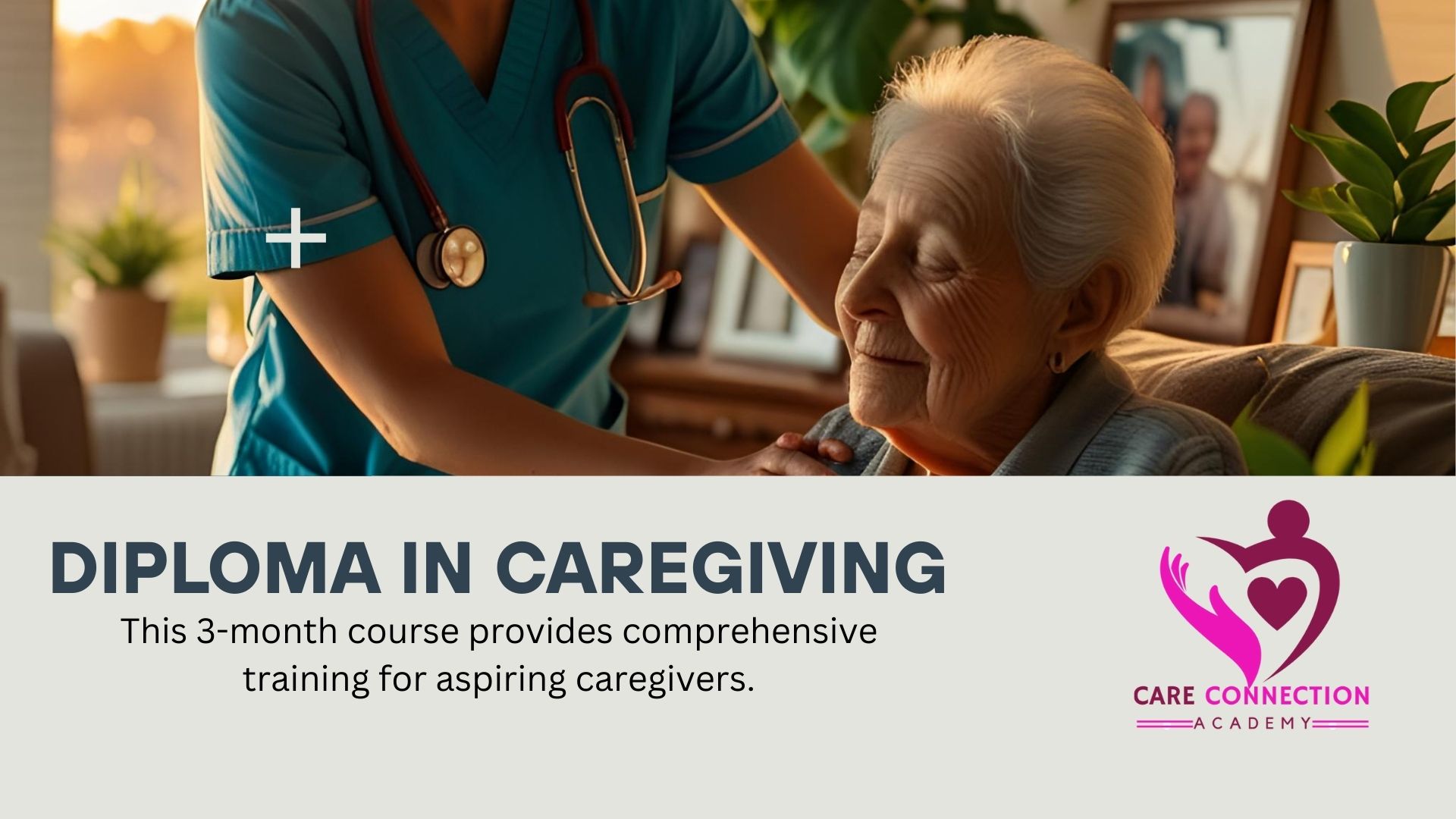
This 3-month Diploma in Care Giving provides comprehensive training for aspiring caregivers. The intensive course covers eight modules per month, building foundational knowledge and practical skills. Month 1 focuses on the fundamentals of caregiving, including defining caregiving, addressing ethical considerations, utilising effective communication techniques, implementing safety procedures, and developing basic care skills. Subsequent months will delve deeper into specialised areas of caregiving.
- Teacher: Admin Support

Caregiver Connection Skills Academy online Elderly Care course will teach you how to treat people suffering from various mental and physical health conditions. Caregivers are highly valued and in-demand professionals who make a big difference to the health organizations they work for. With this short course, you will be able to acquire the essential skills and concepts that will take your caregiving career to the next level.
- Teacher: Blessing Chantelle Kudabvanji
- Teacher: Takudzwa Muzanenhamo
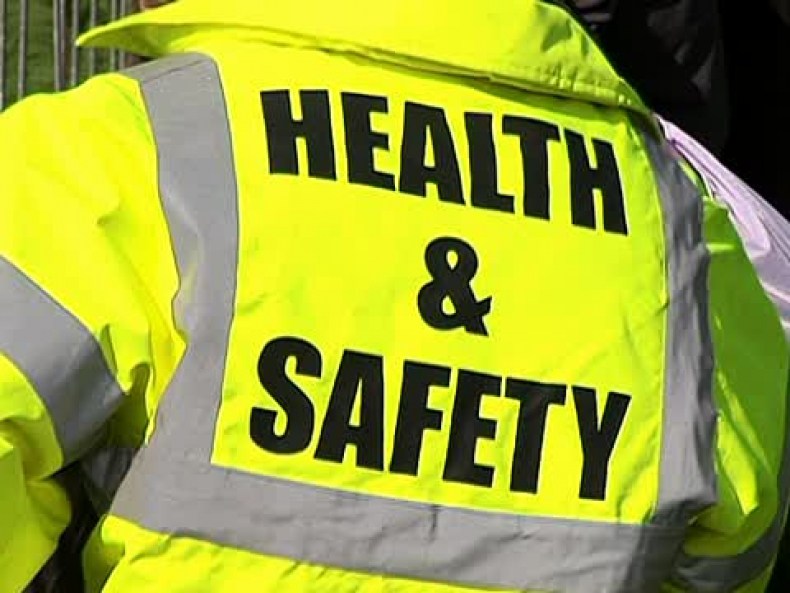
Workplace Health and Safety training course will first cover the essential topic of risk assessment, where you will be shown how to identify workplace hazards and risk factors that have the potential to cause harm. You will then learn how to analyze and evaluate the risks associated with each type of hazard. Next, you will study the different types of fires and fire extinguishers such as water, foam, carbon dioxide, and wet chemical fire extinguishers.
Furthermore, you will learn about workplace health and safety issues involving the environment. The work environment refers to the surrounding conditions in which an employee operates. This may be composed of physical conditions such as office temperature, or equipment such as personal computers. You will also learn about the electricity and other work-related factors such as manufacturing processes or procedures as well as health and safety issues involving chemicals and other important hazards.
Raising your awareness of the dangers that may be present in your workplace will keep you away from harm and injury. This online training course will be of real value to all workers wishing to learn more about the fundamentals of health and safety in the workplace, especially for those who are working in the training and employment department. Begin this online training program today and start learning how to keep yourself and your colleagues out of harm's way
- Teacher: Blessing Chantelle Kudabvanji
- Teacher: Belinda Rera
