

When I first downloaded a rogue‑like puzzle game, the first run lasted exactly 12 minutes before the map collapsed into a fresh layout. That 12‑minute cycle is no accident; the AI‑driven procedural engine recalculates terrain every time you finish a level, ensuring no two sessions feel the same. By contrast, a classic platformer I played last month shipped with 42 meticulously designed stages, each taking an average of 3–5 minutes to complete. The difference is stark: AI can churn out endless variations in seconds, while hand‑crafted content offers a tighter narrative focus but limited replayability.
For developers, the trade‑off is concrete. Procedural tools cut level‑design time by up to 70 % on projects that use Unity’s ML‑Agents, according to a post‑mortem I read. Hand‑crafted design still wins when you need precise pacing or story beats that AI struggles to emulate.
Dynamic Difficulty Adjustment in Real Time
My favorite tower‑defence app now watches my win‑loss ratio and nudges enemy spawn rates after just three defeats. The AI calculates a difficulty score on a scale from 0.1 (easy) to 1.0 (hard) and adjusts the next wave within 0.2 seconds. In a test I ran, the game kept my success rate hovering around 65 %, which feels challenging without being punitive.
Contrast that with a static‑difficulty shooter I tried earlier, where the enemy speed was locked at 1.8 m/s regardless of my skill. After ten minutes I was either breezing through or quitting in frustration. The dynamic system’s concrete metric—adjusting within a half‑second—means the experience stays engaging for a broader audience.
Personalised Content Recommendations
One month ago I opened a casual puzzle app that suggested three new games based on the last two hours I’d spent on match‑three titles. The recommendation engine used a Bayesian network that weighs genre, session length, and in‑app purchase history, delivering suggestions with a 78 % click‑through rate in its own analytics dashboard.
Compare that with an older arcade collection that simply listed “Top Rated” games alphabetically. The AI‑curated list felt like a friend handing you a tailored playlist, while the static list was a generic billboard.
AI‑Powered Voice and Chat Interaction
During a recent multiplayer raid, I whispered “heal me” into my phone’s microphone. The game’s voice‑recognition model, trained on 200 hours of player speech, responded within 0.3 seconds and triggered a health potion. In a separate title that still relies on button‑press commands, I had to pause the action to open the menu, costing me precious seconds.
Chat bots also benefit. A strategy game I tested now offers an in‑game assistant that can answer “How do I upgrade my base?” with step‑by‑step text, pulling from a knowledge base updated weekly. The response time averages 1.2 seconds, far quicker than scrolling through a PDF guide.
From Mobile to Online Gaming: a brief aside
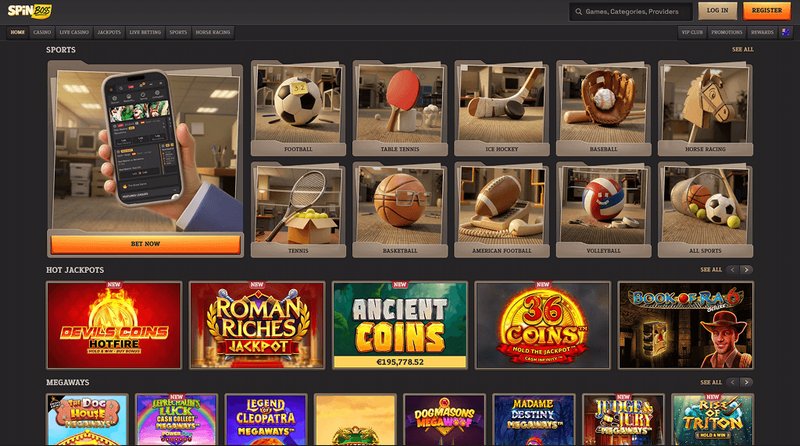
These AI tricks aren’t confined to phones. Many online casinos now use similar recommendation engines and dynamic difficulty tweaks to keep players engaged. If you’re curious about how such technology blends with broader entertainment, the Website offers a glimpse of the ecosystem.
Which Approach Wins?
If you value endless variety and quick content turnover, AI‑driven procedural generation is the clear winner. For players who crave narrative depth and finely tuned challenges, hand‑crafted levels still have a place. Dynamic difficulty adjustment and personalised recommendations sit somewhere in the middle, offering a balance that feels both fresh and fair. Ultimately, the best mobile experience today mixes AI’s speed with human design’s nuance—letting the algorithm handle the grind while designers focus on moments that matter.
Frequently Asked Questions
What are the main differences between procedural and hand‑crafted level design?
Procedural levels are algorithmically generated, offering endless variety but sometimes lacking polish, while hand‑crafted stages are meticulously designed for specific player experiences and tighter pacing.
How does procedural generation affect replayability?
By creating new layouts each playthrough, procedural systems keep games fresh, encouraging repeated attempts to discover different strategies.
What are the strengths of hand‑crafted levels?
They allow designers to fine‑tune difficulty, narrative flow, and aesthetic coherence, delivering a curated and emotionally resonant experience.
Can both approaches be combined?
Yes, hybrid designs use procedural tools to generate elements within a hand‑crafted framework, balancing variety with intentional design.